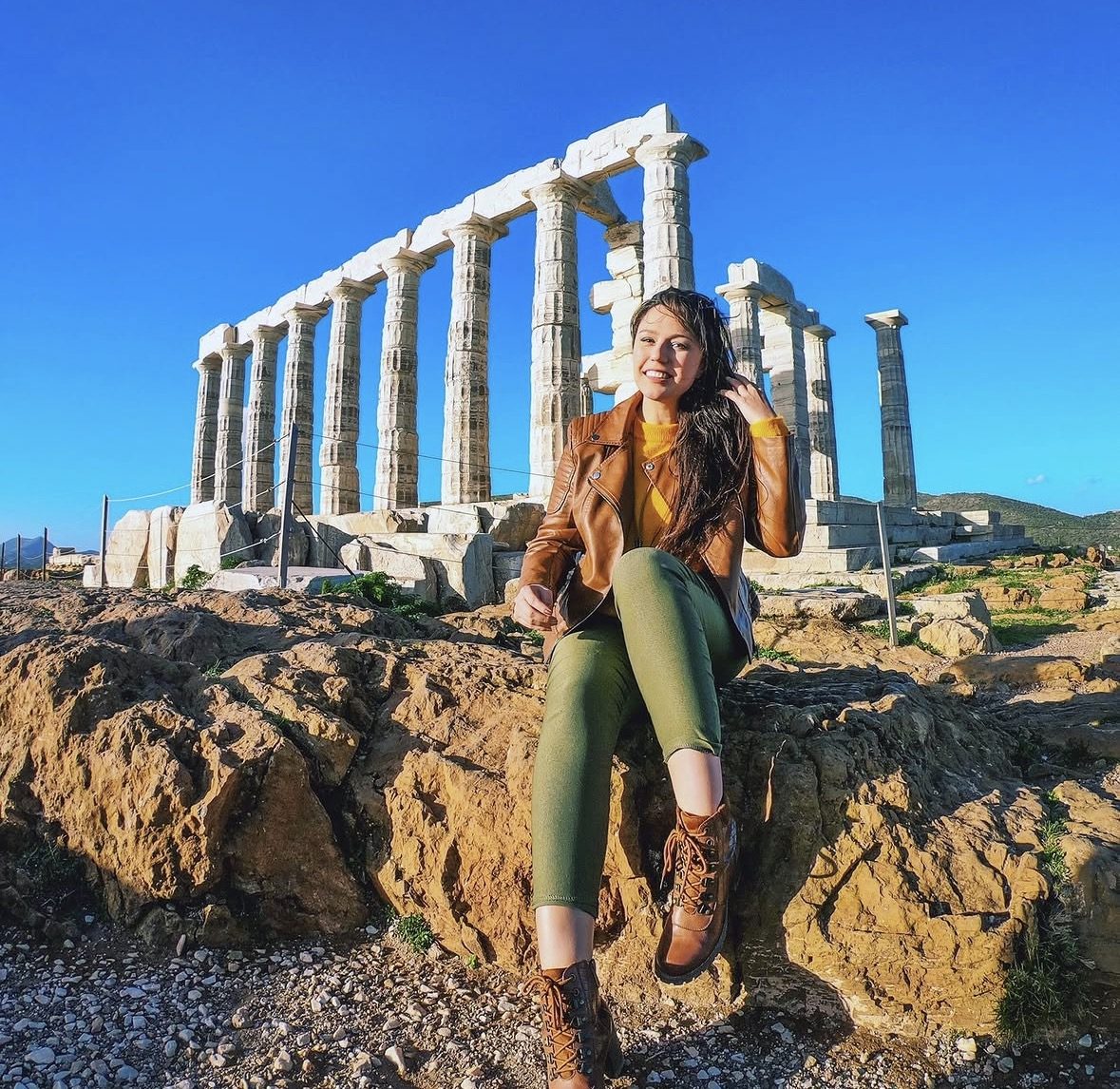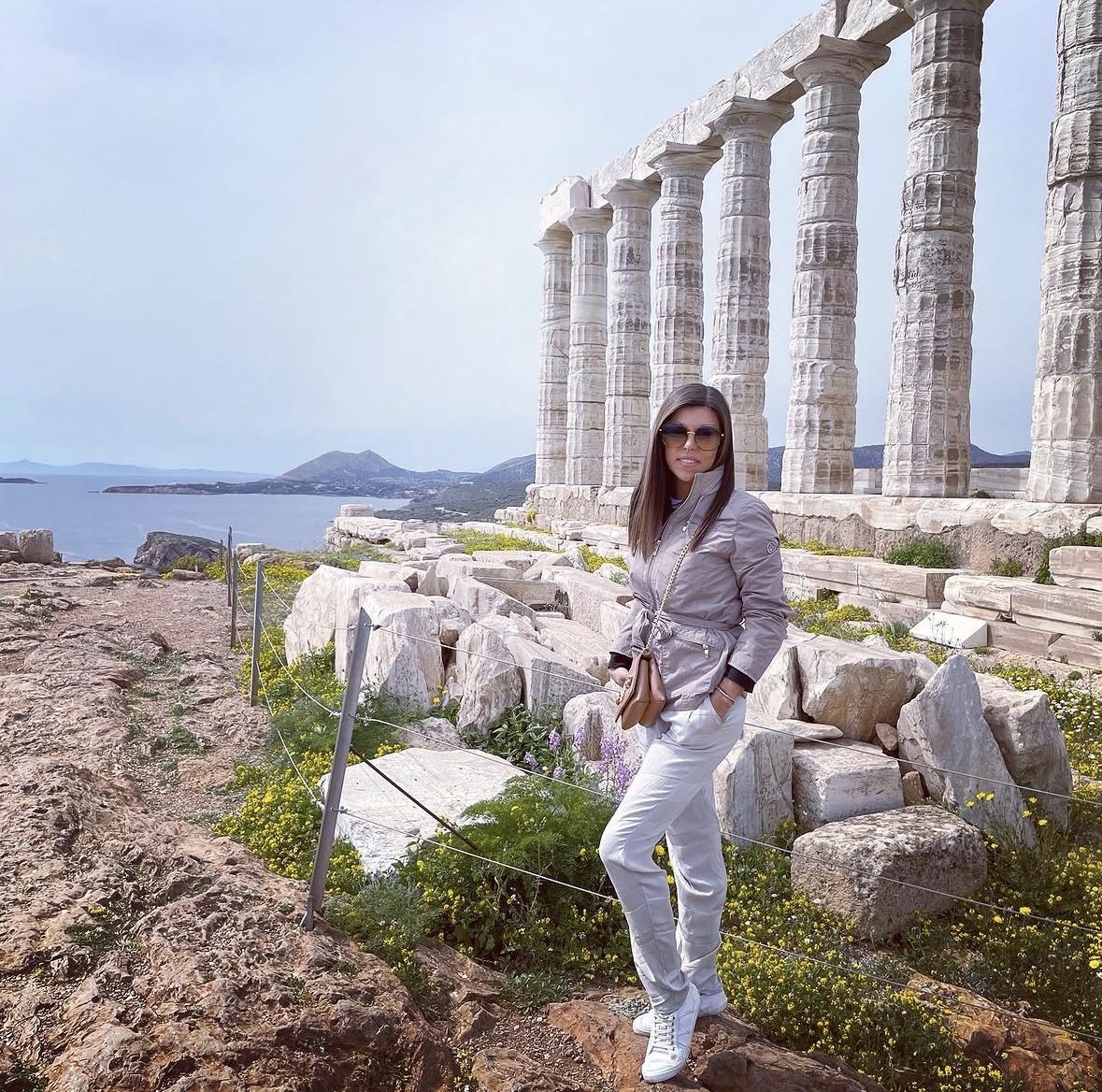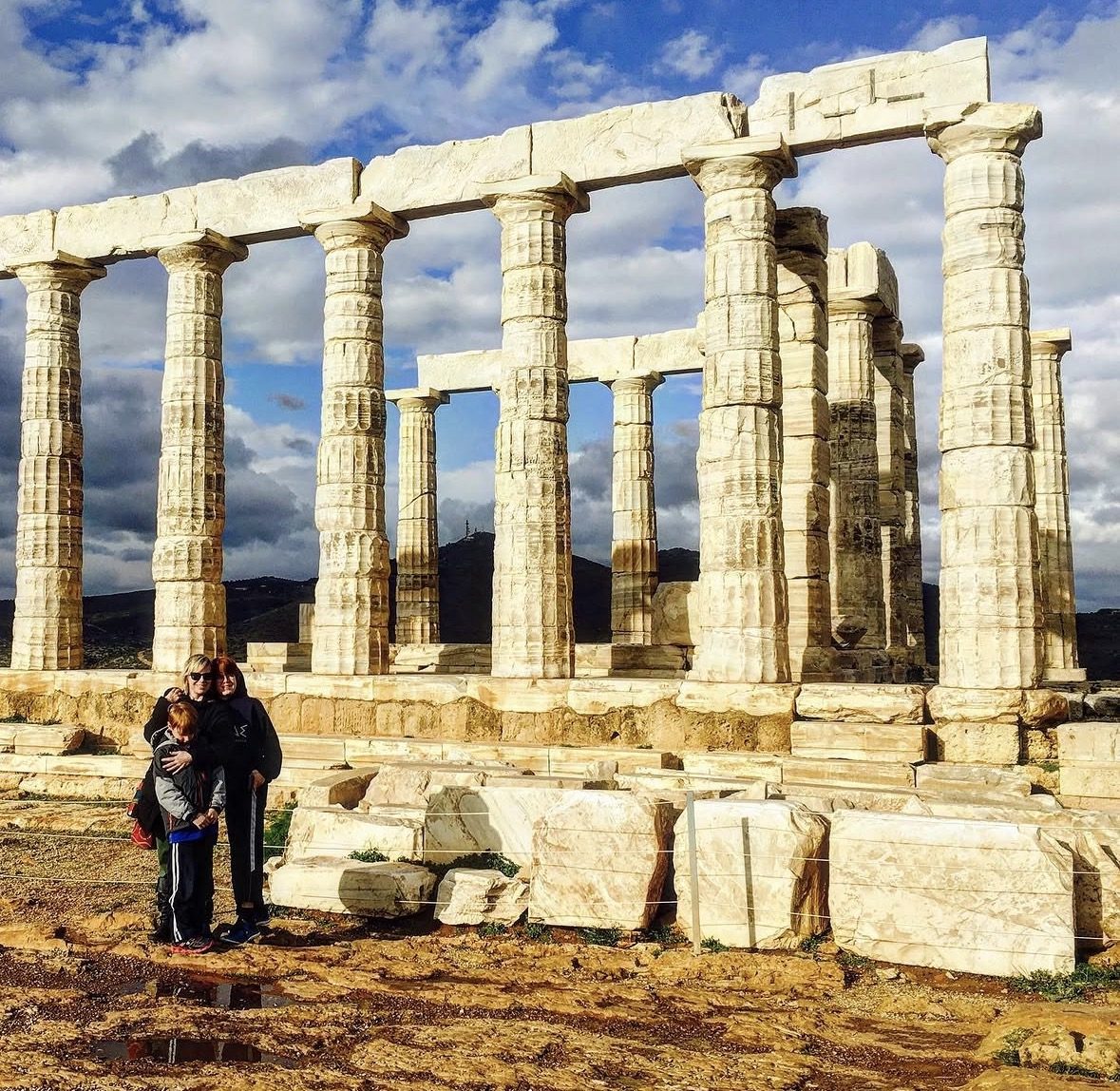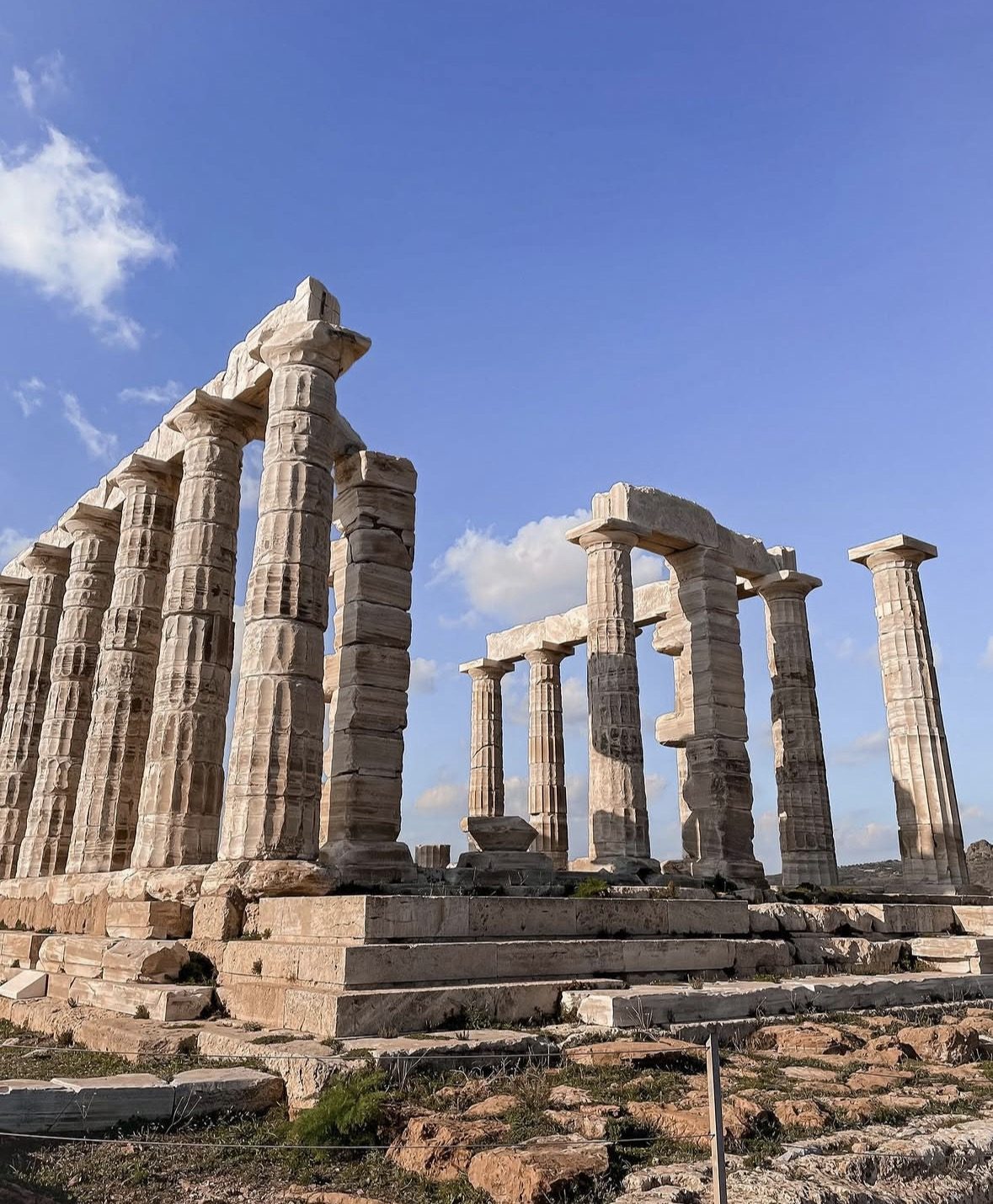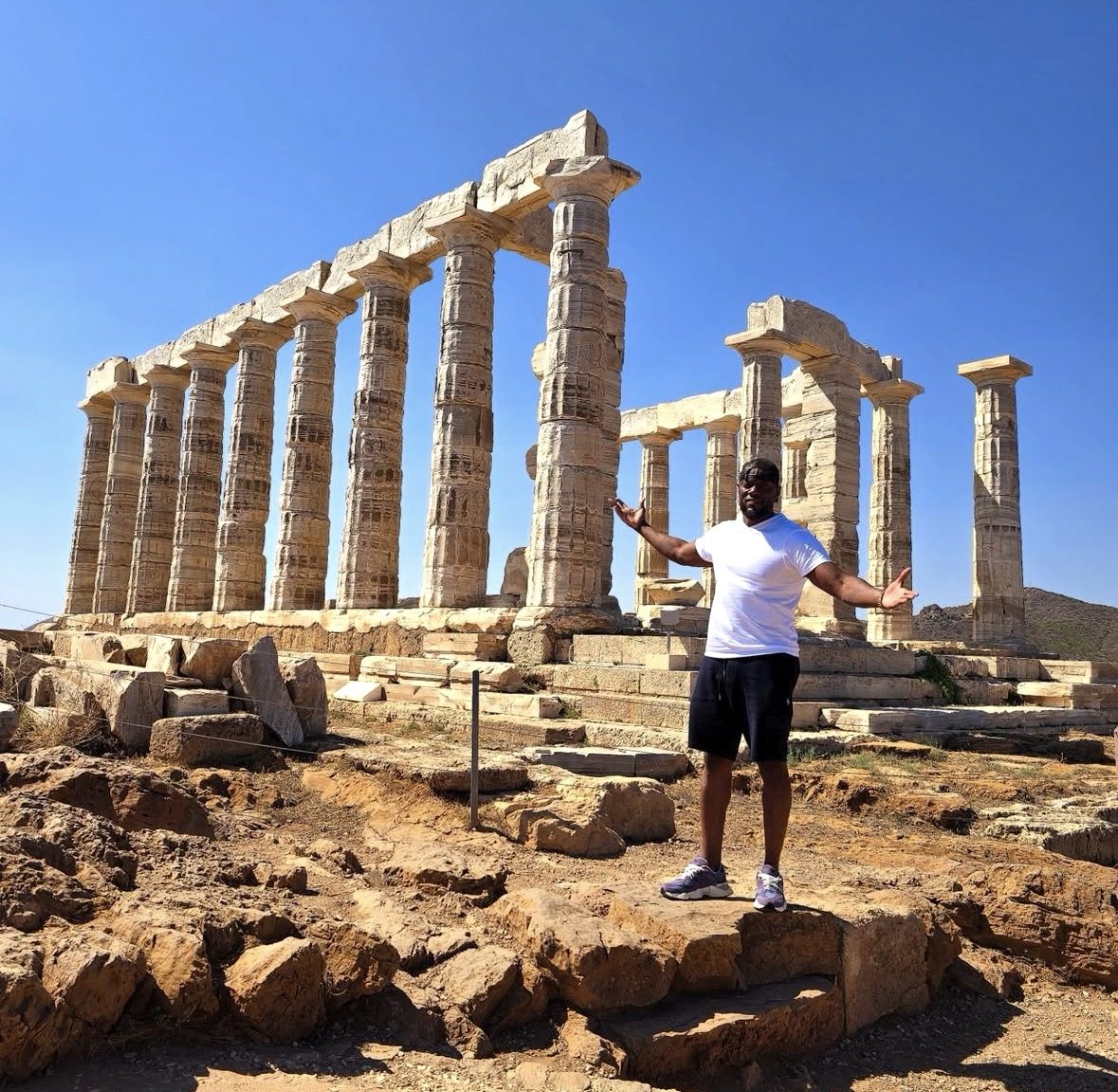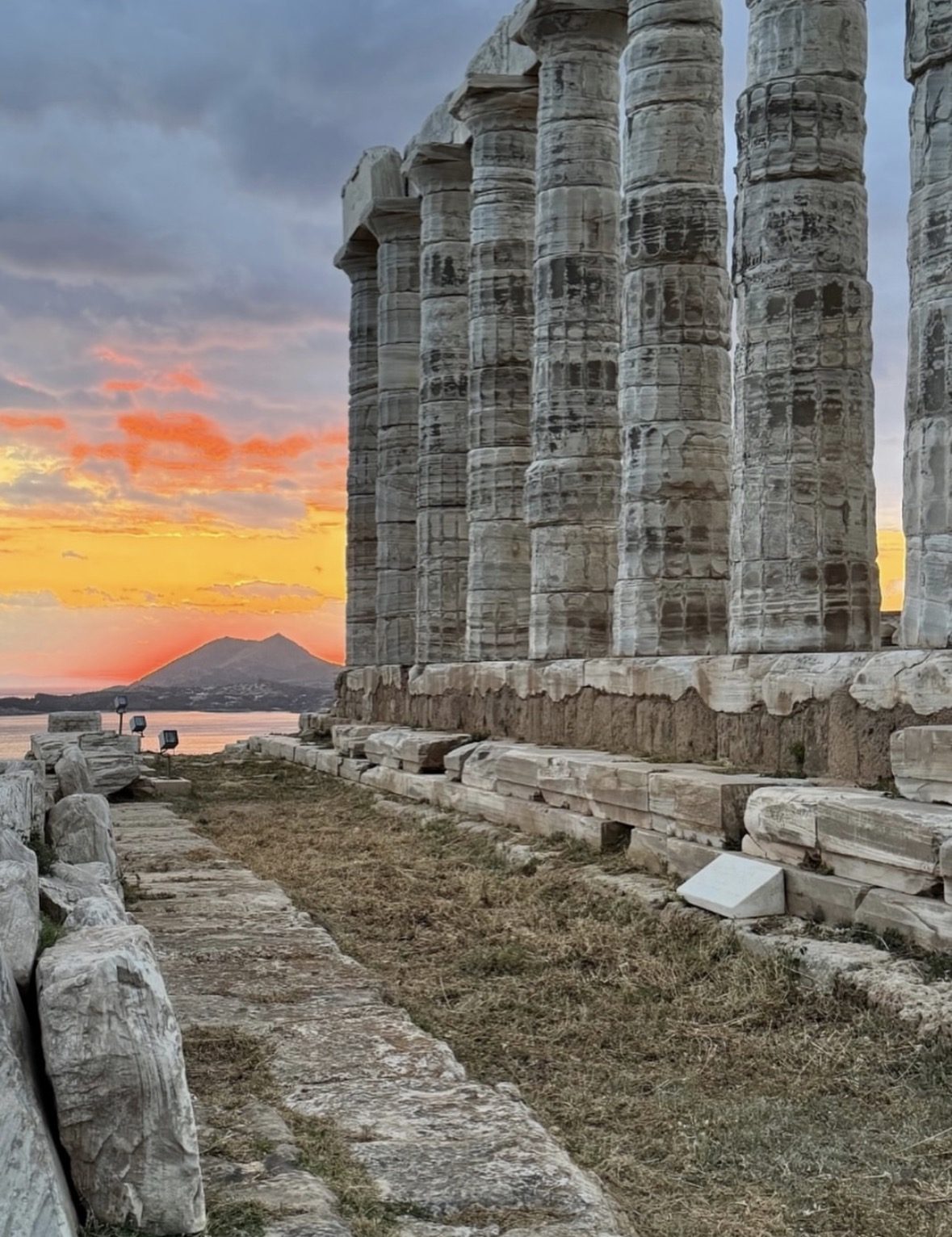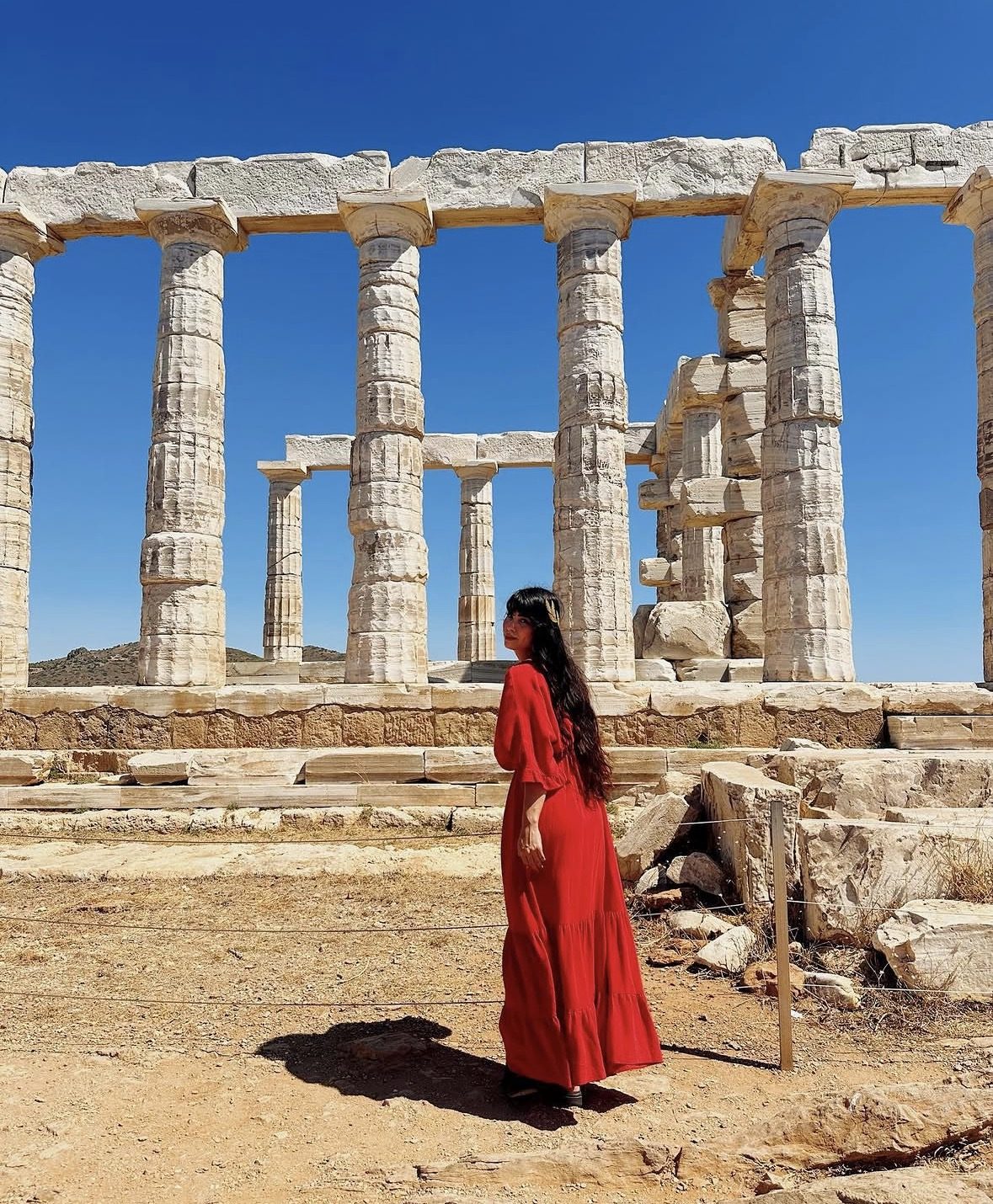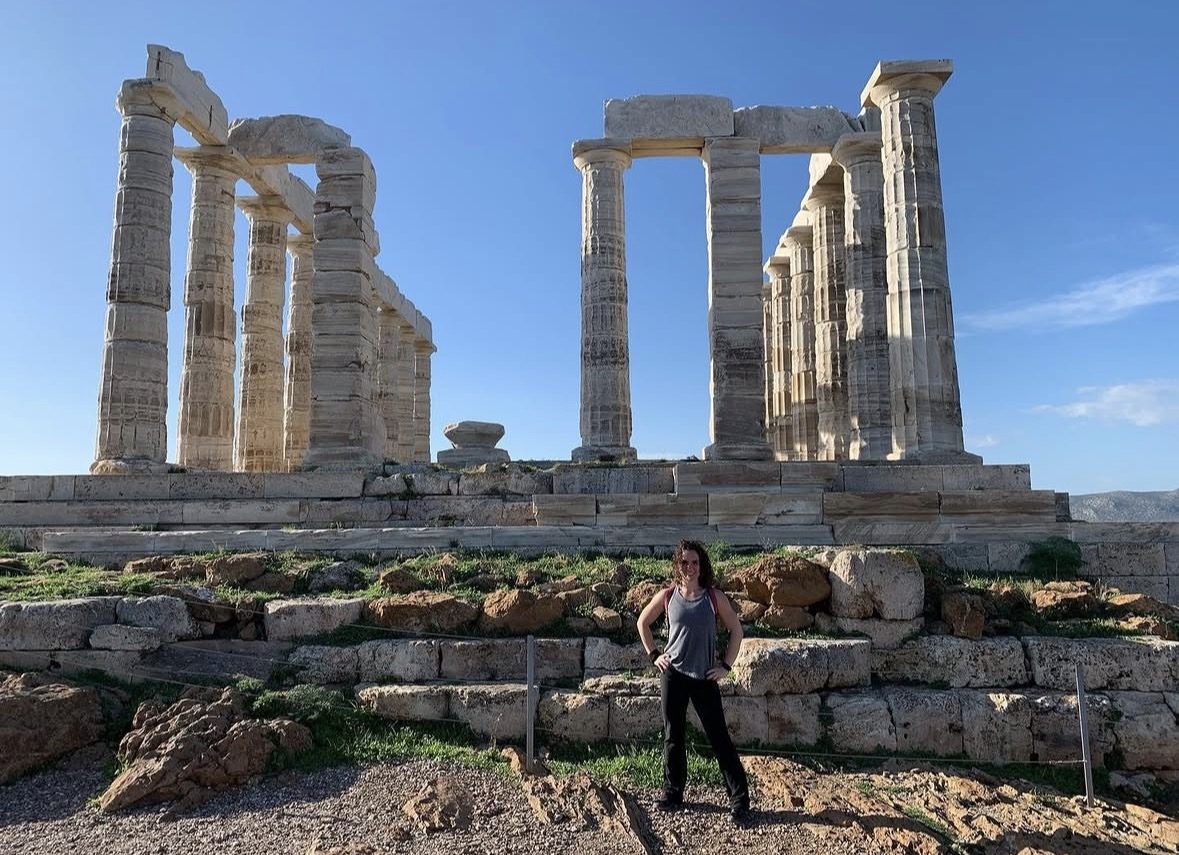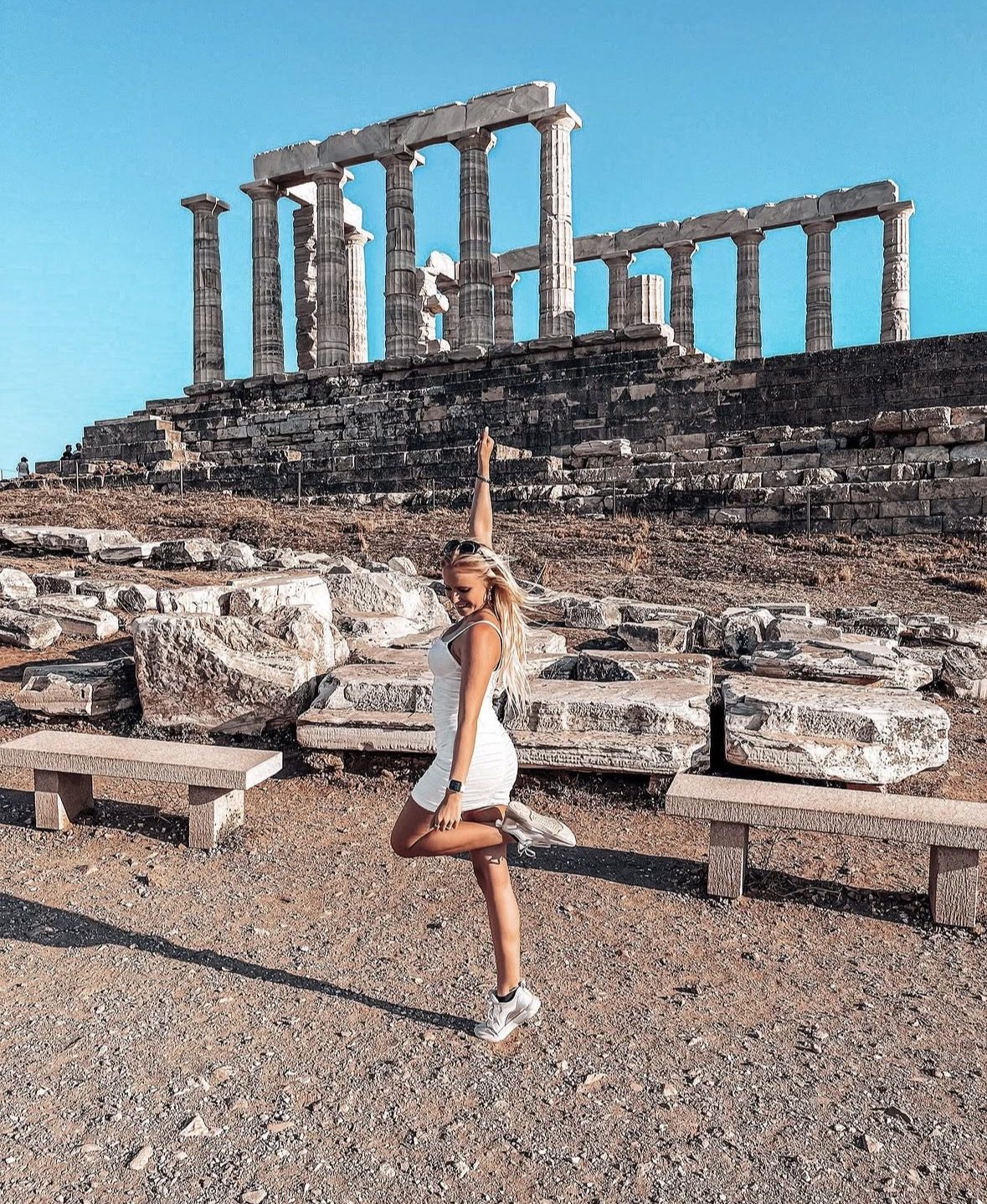
Perched on the dramatic cliffs of Cape Sounion, this 5th-century BCE sanctuary has stood watch over the Aegean Sea for over 2,400 years. From mythological legend to breathtaking sunsets, it remains one of Greece's most unforgettable ancient sites.
Featured Tour
The Cape Sounion and Temple of Poseidon Half-Day Small-Group Tour from Athens is the most effortless and rewarding way to experience this legendary clifftop sanctuary. Your entry to the temple is included, so there is no need to worry about sourcing temple of poseidon tickets separately. Departing from central Athens, the tour winds along the breathtaking Saronic Gulf coastline, stopping at scenic viewpoints like Vouliagmeni Lake before arriving at the majestic Temple of Poseidon perched high above the Aegean Sea. Choose the sunrise morning departure for crisp golden light, or opt for the sunset tour to watch ancient marble glow under a fiery sky.
About the Destination
Sitting at the southernmost tip of the Attica peninsula, Cape Sounion is one of Greece's most dramatically positioned ancient sites. The clifftop sanctuary commands a 360-degree seascape that made it sacred to sailors and strategists alike.
Cape Sounion lies approximately 70 kilometres south of Athens, at the rocky tip of the Attica peninsula. The promontory rises nearly 60 metres above the Aegean, offering sweeping views across the Saronic Gulf to the west and the Myrtoan Sea to the east. This privileged vantage point made it both a navigational landmark for ancient sailors returning home and a natural defensive outpost for the city-state of Athens during its golden age.
An earlier Archaic temple once occupied this clifftop before it was destroyed during the Persian Wars. Construction of the current sanctuary began around 444 BCE under the direction of Pericles, using pristine white marble quarried from nearby Agrileza. Built in the Doric style, it featured 34 columns originally, of which 15 still stand today. Its unusually slender, single-fluted columns distinguish it from other Classical temples and speak to the ingenuity of its unknown architect.
Visitors today enter through a restored gateway and walk among weathered but still majestic columns. The on-site museum displays inscriptions and sculptural fragments uncovered during excavations. Sunset hours draw the largest crowds, as the low light transforms the white marble into shades of amber and gold. Morning visits offer a quieter, more contemplative experience, with cooler temperatures and softer light ideal for photography and unhurried exploration of the archaeological precinct.
The current structure has overlooked the Aegean for more than two and a half millennia. An even older Archaic-period temple preceded it on the same clifftop before being razed by Persian forces in 480 BCE.
Of the original 34 marble columns, 15 remain standing today. They were quarried from the silver-rich hills of Agrileza, just 5 kilometres away, ensuring a uniformly brilliant white appearance.
The Romantic poet Lord Byron carved his name into one of the marble columns during his visit in 1810. The inscription is still faintly visible today, though touching the marble is strictly prohibited.
From the promontory you can see both the Saronic Gulf to the west and the Myrtoan Sea to the east on a clear day. This dual seascape made the site invaluable as a lighthouse-like beacon for ancient navigators.
According to legend, King Aegeus stood on this very cliff awaiting his son Theseus's return from Crete. Mistaking black sails for a sign of death, he leapt into the sea — giving the Aegean Sea its name.
Most Classical Doric columns have 20 flutes, but the columns here have only 16. This rare design choice reduced surface area exposed to salt-laden sea winds, demonstrating remarkable architectural foresight.
The site is renowned across Greece for its extraordinary sunsets, when the marble columns glow orange and gold against a darkening sea. Arriving 30–45 minutes before sunset guarantees the best vantage points and lighting for photography.
The dramatic interplay of ancient stone, sea, and sky makes this one of the most photogenic ancient sites in Europe. Early-morning light produces soft, even tones ideal for capturing architectural detail without harsh shadows.
Licensed guides lead small groups through the ruins, decoding the temple's Doric architecture, mythological associations, and strategic importance to ancient Athens. Audio guides are also available at the entrance for self-paced exploration.
Just below the cape, a small sandy beach offers clear turquoise waters perfect for a post-sightseeing swim. Facilities including a café and sunbeds are available during the summer season from May to October.
Several tavernas near the site serve fresh grilled seafood and classic Greek mezze with sweeping sea views. Dining here at dusk, with the ruins silhouetted on the cliff above, is an experience in itself.
Marked trails around the cape allow visitors to explore the wider headland, discover lesser-known ancient fortification walls, and enjoy unobstructed coastal panoramas away from the main tourist flow.
See how this iconic clifftop sanctuary stacks up against other celebrated ancient Greek sites.
Choosing between Greece's ancient treasures is never easy. The Temple of Poseidon offers a rare combination of dramatic natural scenery, mythological depth, and relative accessibility from Athens that few rivals can match. Whether you're weighing it against the bustling Acropolis, the sacred sanctuary at Delphi, or the well-preserved ruins of Olympia, this table helps you understand what makes each destination unique so you can prioritise according to your interests, travel style, and available time.
| Crowds | Price | Best For | What Sets It Apart | |
|---|---|---|---|---|
| ★ Temple of Poseidon | Moderate — busiest at sunset | €10 adult entry | Sunset, photography, mythology | Clifftop Aegean views; unique 16-flute columns |
| Acropolis of Athens | Very High — year-round | €20–€30 combined ticket | Iconic history, city panoramas | World's most famous ancient monument; central Athens location |
| Ancient Delphi | Moderate | €12 adult entry | Mythology, mountain scenery | Oracle of Apollo; dramatic Mt. Parnassus setting |
| Ancient Olympia | Low to Moderate | €12 adult entry | Olympic history, archaeology | Birthplace of the Olympic Games; vast museum complex |
Each of these ancient sites offers something genuinely irreplaceable, but the Temple of Poseidon delivers something rare: an intimate encounter with antiquity wrapped in one of the Mediterranean's most spectacular natural settings. Smaller crowds than the Acropolis, lower entry costs, and that legendary clifftop sunset make it an essential stop for anyone seeking a deeper, more atmospheric side of ancient Greece.
Travel Guide
Everything you need to plan a seamless, rewarding visit to Cape Sounion.
Cape Sounion sits roughly 70 kilometres south of central Athens, making it a straightforward day trip. By car or rental vehicle, the coastal route along the Athens Riviera takes approximately 1 to 1.5 hours depending on traffic, with ample parking available at the site. Organised day tours departing from Athens include transport and a guide, which is the most hassle-free option for first-time visitors.
Public bus Line 122 (KTEL Attikis) departs regularly from the Pedion tou Areos bus terminal in central Athens and drops passengers at the site entrance. Journey time is roughly 2 hours. Taxis and rideshare apps can also be used for a direct transfer, though the return fare should be negotiated before departure as metered service is not always available in remote areas.
Spring (April–May) and autumn (September–October) are the ideal windows for visiting. Temperatures are mild, between 18–25°C, crowds are manageable, and the light quality for photography is outstanding. Late afternoon arrivals timed for sunset are rewarding year-round, but spring and autumn offer the most comfortable outdoor experience without the intense summer heat or the grey skies of winter.
Summer (June–August) brings peak visitor numbers and temperatures frequently exceeding 35°C on the exposed clifftop, with little shade available. Winter visits are quieter and atmospheric, but shorter daylight hours and occasional strong winds can limit the experience. The site is open year-round, though operating hours shift seasonally — winter closing times can be as early as 15:30, so always check current hours before travelling.
The site is an open-air archaeological area with no indoor spaces and significant sun exposure, so preparation is key. Sun protection is non-negotiable, especially in summer. Comfortable footwear with good grip is essential as the paths involve uneven ancient stone surfaces. Carry your own water, as on-site refreshment options are limited, particularly outside peak season.
Layers are wise in shoulder seasons when sea breezes on the cliff can feel surprisingly cool after sunset. A light jacket or shawl works well for evening visits. Photography enthusiasts should bring a wide-angle lens to capture the full sweep of columns and sea. A portable battery or power bank is useful if you plan to use navigation or shoot video throughout the day.
Arrive early on weekdays to enjoy the ruins with minimal company — weekend afternoons, especially in summer, can feel overcrowded near sunset. The ruins are patrolled by site guards who strictly enforce no-touching policies; Lord Byron's precedent is not one to follow. English-language signage is good throughout the site, but a printed map or offline guide app adds helpful context between the main monuments.
The small on-site café sells drinks and snacks at tourist prices; for a more authentic meal, drive 10 minutes to the village of Sounio for honest Greek taverna food. The nearest ATM is in Lavrio, so carry cash. Tickets can be purchased at the gate, but booking online during peak summer months saves queuing time. EU residents under 25 may be eligible for free or reduced admission with valid ID.
No special vaccinations are required for travel to Greece, but standard European travel health precautions apply. Heat-related illness is a genuine risk during July and August when temperatures on the exposed clifftop are extreme. Drink water regularly, seek shade during the 12:00–15:00 peak heat window, and be alert to signs of heat exhaustion, particularly in children and elderly visitors.
The cliff edges near the ruins are unfenced in several sections — maintain a safe distance and supervise children closely. Emergency services are reachable on 112 (pan-European emergency number). The nearest hospital is in Lavrio, approximately 15 kilometres away. Travel insurance covering medical evacuation is strongly recommended. Petty theft is rare but sensible bag-awareness is always wise in tourist areas.
Explore More
Cape Sounion is surrounded by Riviera beaches, Lavrio's archaeological museum, and the scenic islands of the Saronic Gulf — all easily reachable on the same day trip.

The Cape Sounion and Temple of Poseidon Half-Day Small-Group Tour from Athens is the most effortless and rewarding way to experience this legendary clifftop sanctuary.
Check this tour →
The Athens: Cape Sounion and Poseidon Temple Sunset with Audio Guide is your perfect gateway to experiencing one of the most magnificent ancient sanctuaries in Greece.
Check this tour →
The Temple of Poseidon and Cape Sounion Sunset Tour with Audio Guide is the perfect way to experience one of Greece's most iconic ancient monuments at its most magical hour.
Check this tour →
The Cape Sounion & Temple of Poseidon Sunset Experience is one of Athens' most celebrated evening excursions, combining coastal scenery, ancient mythology, and breathtaking…
Check this tour →
The Athens: Temple of Poseidon & Cape Sounion Half-Day in Small-Group tour is the most personal and rewarding way to experience this legendary clifftop sanctuary.
Check this tour →
The Lake Vouliagmeni Thermal Spa And Temple Of Poseidon Private Full Day Tour is the ultimate way to combine ancient history with natural rejuvenation along the stunning Athenian…
Check this tour →
The Afternoon English Tour: Sounion with Temple of Poseidon Ticket is your all-in-one pass to one of Greece's most dramatic coastal landmarks.
Check this tour →
The Best of Athens & Sunset at the Temple of Poseidon Full Day Tour is the ultimate way to experience Greece's capital and its legendary coastline in a single day.
Check this tour →
The Sunset Private Tour to Cape Sounio, Temple of Poseidon is your ultimate way to experience this legendary hilltop sanctuary without the hassle of public transport or crowded…
Check this tour →
The Cape Sounio & Temple Of Poseidon Breathtaking Views Private Trip is the ultimate way to experience one of Greece's most iconic ancient sites.
Check this tour →
The Athens: Half Day Trip To Cape Sounio/Poseidon Temple Semi Private tour is one of the most celebrated ways to discover this iconic coastal landmark.
Check this tour →Traveler Reviews
Travelers from around the world share their unforgettable experiences at the Temple of Poseidon.
"Standing among those ancient columns at sunset was one of the most moving experiences of my entire life. The way the golden light reflects off the white marble while the Aegean stretches out endlessly below is simply breathtaking. I had read about this place for years, but nothing truly prepares you for the scale and beauty of it in person. Go late in the afternoon, buy your ticket, and give yourself at least two hours to soak it all in."
"We drove down from Athens on a clear morning and arrived before the crowds, which I cannot recommend highly enough. The site itself is perched dramatically on the cape, and the views of the sea from every angle are absolutely stunning. Our guide explained the myth of King Aegeus and how he watched from this very promontory for his son Theseus to return — it gave me goosebumps. A truly unmissable stop on any Greek itinerary."
"The ruins are genuinely impressive and the coastal setting is unlike anything else I have seen in Greece. The remaining Doric columns still convey a real sense of grandeur even after 2,500 years. I knocked off one star only because the site gets extremely crowded in summer afternoons, so early morning visits are far more peaceful. Still an absolute must-see — the historical atmosphere here is unmatched."
"I am an architecture enthusiast and this ancient sanctuary exceeded every expectation I had. The precision of the Doric columns, the quality of the marble quarried locally at Agrileza — it is all extraordinary even in its partially ruined state. Wandering around and imagining ancient Greek sailors spotting this landmark from the water gave me a profound sense of connection to history. One of the greatest ancient monuments I have ever visited."
"We visited on an organized day trip from Athens and it was the highlight of our entire Greek holiday. The coastal road down to Cape Sounion is scenic in itself, passing beaches and small fishing villages along the way. Once at the site, the panoramic view from the hilltop is jaw-dropping — you understand immediately why sailors used it as a navigational landmark. Do not miss it, and absolutely time your visit for the sunset if you can."
"This is one of those places that photographs simply cannot do justice. The combination of ancient history and dramatic seaside scenery creates an atmosphere that feels almost mythological. Parking can be a little chaotic in peak season and the on-site café is overpriced, but neither of those things detracted much from the overall experience. Wear comfortable shoes as the ground around the ruins is uneven."
"I had visited Athens several times before but somehow never made it out to Cape Sounion — this trip finally corrected that mistake. The scale of the remaining columns is more impressive than I expected, and the information panels around the site are well-written and genuinely informative. Seeing where Lord Byron reportedly carved his name into the marble was a surprisingly touching literary moment. This ancient sanctuary deserves every bit of its legendary reputation."
"My partner and I came here on our last evening in Greece and it was the perfect way to end the trip. Watching the sun drop behind the Aegean horizon from those ancient marble steps felt genuinely sacred. The ticket price is very reasonable for what you get, and the staff at the entrance were helpful and friendly. If you are visiting Athens, this is well worth the 70-kilometre drive."
Watch Before You Go
Experience the golden columns and sweeping Aegean panoramas before you even arrive.
Location
The Temple of Poseidon is located at Cape Sounion, Attica 195 00, Greece, approximately 70 km south of central Athens on the southern tip of the Attica peninsula.
FAQ
Everything you need to know before planning your visit to this iconic ancient Greek landmark.
Ready to stand where legend and the Aegean meet?
Book Your VisitDiscover More
Long before Pericles commissioned the marble sanctuary still visible today, an earlier temple occupied this windswept promontory — only to be destroyed by Persian invaders in 480 BCE. The story of rebuilding, political ambition, and divine devotion that followed is one of antiquity's most compelling architectural narratives.